





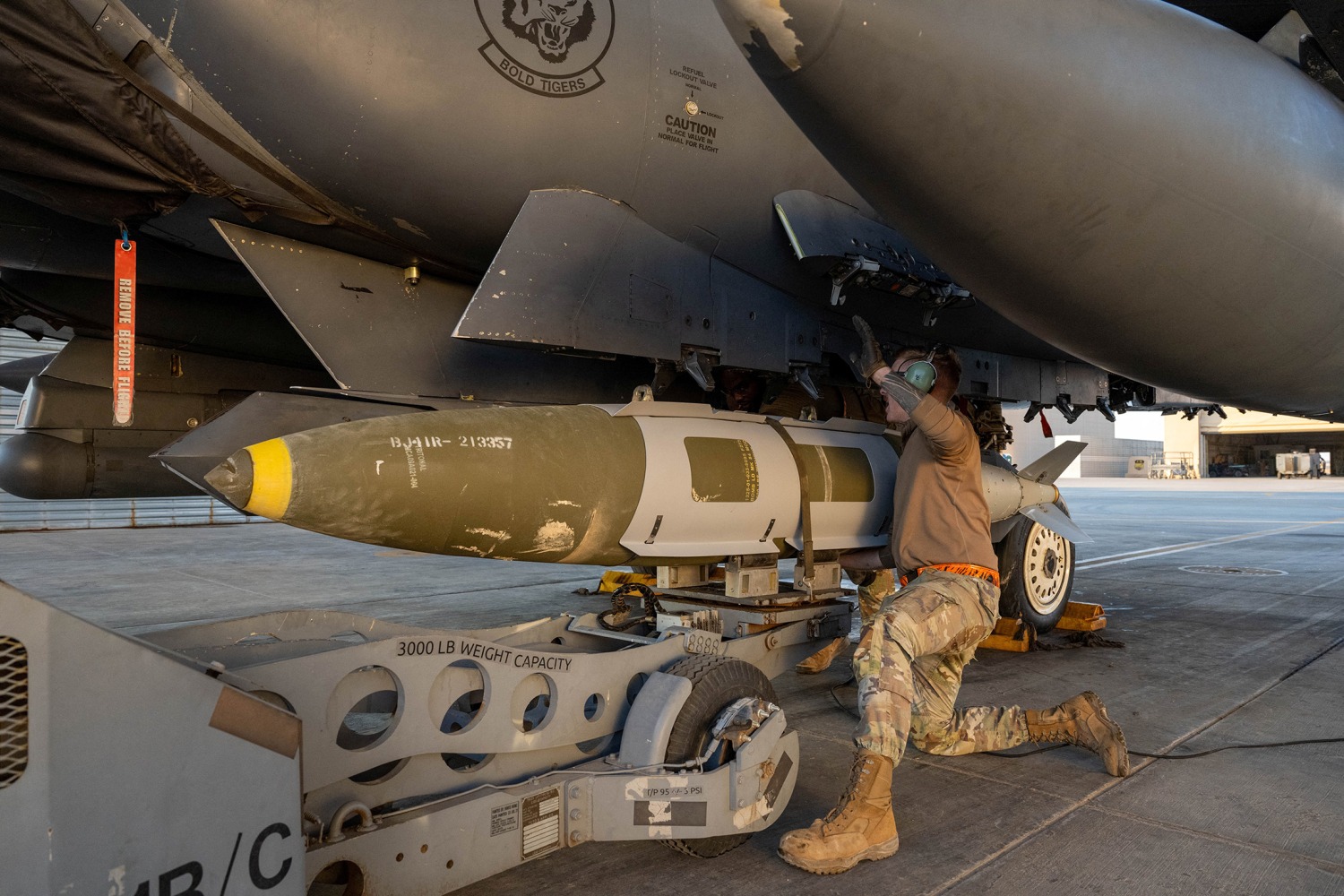
The United States has conducted large‑scale military operations in central Syria targeting Islamic State (ISIS) positions in direct retaliation for a recent ambush that killed U.S. service members and a civilian interpreter. The strikes, involving fighter jets, attack helicopters and precision artillery, hit more than 70 ISIS targets across multiple locations, according to U.S. Central Command and senior officials.
The military action, code‑named Operation Hawkeye Strike, came after an attack near the historic city of Palmyra on December 13 that resulted in the deaths of two Iowa National Guard soldiers and an American contractor. Three other U.S. service members were wounded, prompting calls from the administration for decisive retaliation.
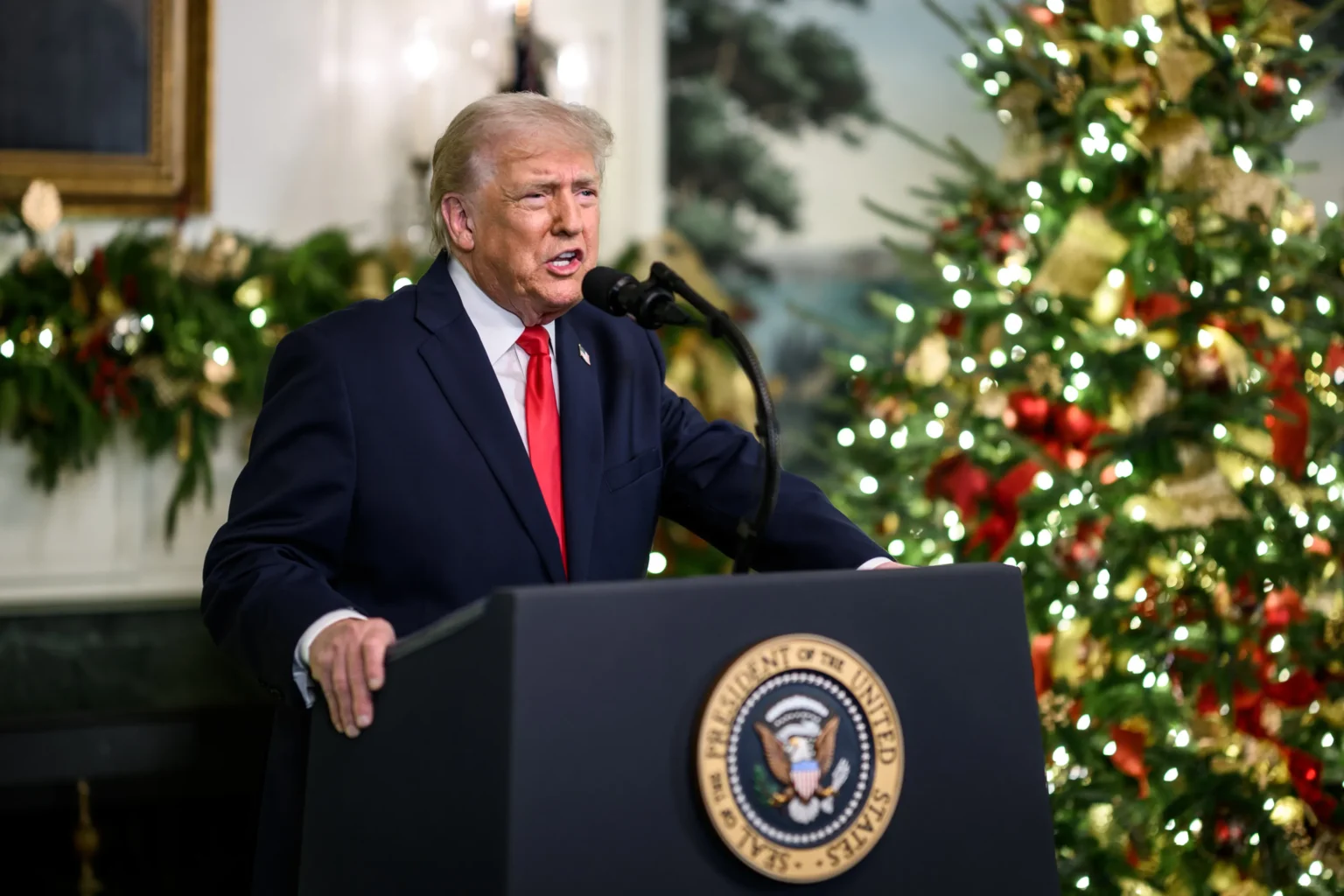
In a statement accompanying the military response, President Donald Trump issued a stark warning to terrorist groups and individuals who might consider attacking American forces or interests. He said those who threaten the United States “will be hit harder than you have ever been hit before” if they carry out any attacks against the country.

White House and Pentagon officials framed the strikes as a necessary measure to deter future threats and protect U.S. personnel overseas, while emphasizing that the operation is not intended to mark the beginning of a broader war. Defense Secretary Pete Hegseth described the action as a “declaration of vengeance” and reiterated that the United States will respond forcefully to assaults on its forces.
The Syrian government, led by President Ahmad al‑Sharaa following the ouster of Bashar al‑Assad, expressed support for the U.S. operation and reaffirmed its own commitment to eliminating ISIS presence within its borders. Syrian officials highlighted the importance of continued international cooperation against terrorism.
U.S. military commanders stated that the offensive targeted known ISIS infrastructure and weapons depots, with more operations possible in the coming days. The strikes reflect a renewed emphasis on counterterrorism efforts in the region while underscoring the U.S. pledge to defend its forces against future threats.