










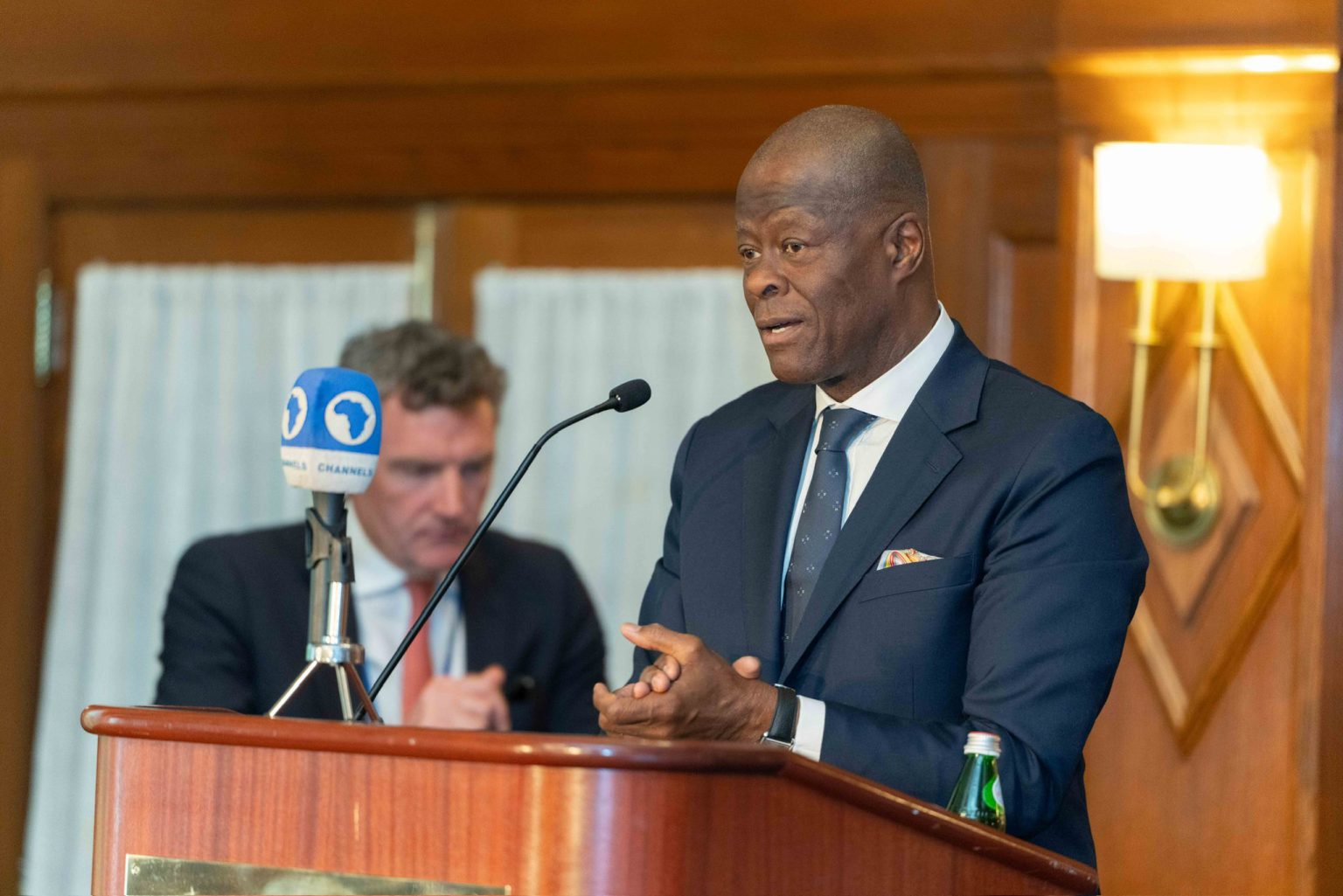
In an interview with African Business magazine, Nigeria’s Finance Minister Wale Edun offered a candid assessment of the country’s economic direction as major policy changes take hold.
A difficult year, and an outlook for 2025
Minister Edun acknowledged that 2024 proved challenging for many Nigerians. He noted inflation reached 34.6% in November, the steepest in more than 28 years. He pointed to floods in the northern regions and rising fuel costs as key drivers behind soaring food and transport prices.

Despite this, Edun said he is very optimistic about economic performance in 2025 and beyond. He referred to government planning documents such as the Medium Term Expenditure Framework and Fiscal Strategy Paper that reflect this outlook. He added that growth forecasts by the International Monetary Fund (IMF) and World Bank align with this expectation.
Inflation and fuel price trends
Reducing inflation is one of the top priorities, the minister said. He expects some relief from falling fuel prices, which have been influenced by expanded refining capacity from the Dangote Group refinery and by a policy to sell crude in naira to domestic refiners.
Food price inflation is also expected to slow once efforts in agriculture and energy bear fruit, he noted.
Reserves, foreign exchange and transparency
On foreign exchange reserves, Edun said figures stood around US $42 billion in mid-December, and that’s a positive sign given recent pressures. He added that steps have been taken to increase transparency in financial operations, including new systems in the foreign exchange market introduced by the Central Bank of Nigeria (CBN).
Reform costs and benefits
Edun admitted that the policy changes such as ending fuel subsidies and allowing the naira’s adjustment have been painful in the short term. He said the benefits will show up over time. He also stressed efforts to safeguard vulnerable citizens, citing the challenge of reaching all intended recipients of cash transfers and ensuring the database of beneficiaries works properly.
Next steps and priorities
Looking ahead, the minister said the government will focus on several areas:
• Faster growth in agriculture to keep pace with population increase.
• Energy sector expansion in oil, gas, and electricity to support manufacturing and processing under the African Continental Free Trade Agreement (AfCFTA).
• Tax reforms currently before the legislature aimed at enlarging the tax base and improving the environment for investment.
• Raising growth to 7% by 2027 with low inflation, stable exchange rate, and interest rates supportive of borrowing.
He noted that regulation, security, and education reform are all vital to convincing both domestic investors and foreign capital to commit.
In Edun’s view, the reform agenda is crucial for Nigeria’s longer-term economic stability. He emphasised that while the near term has been difficult for many households, the government believes it has positioned the country for stronger growth and steadier prices in the coming years. His message: hang tight, the changes are underway, and 2025 could mark a turning point.