










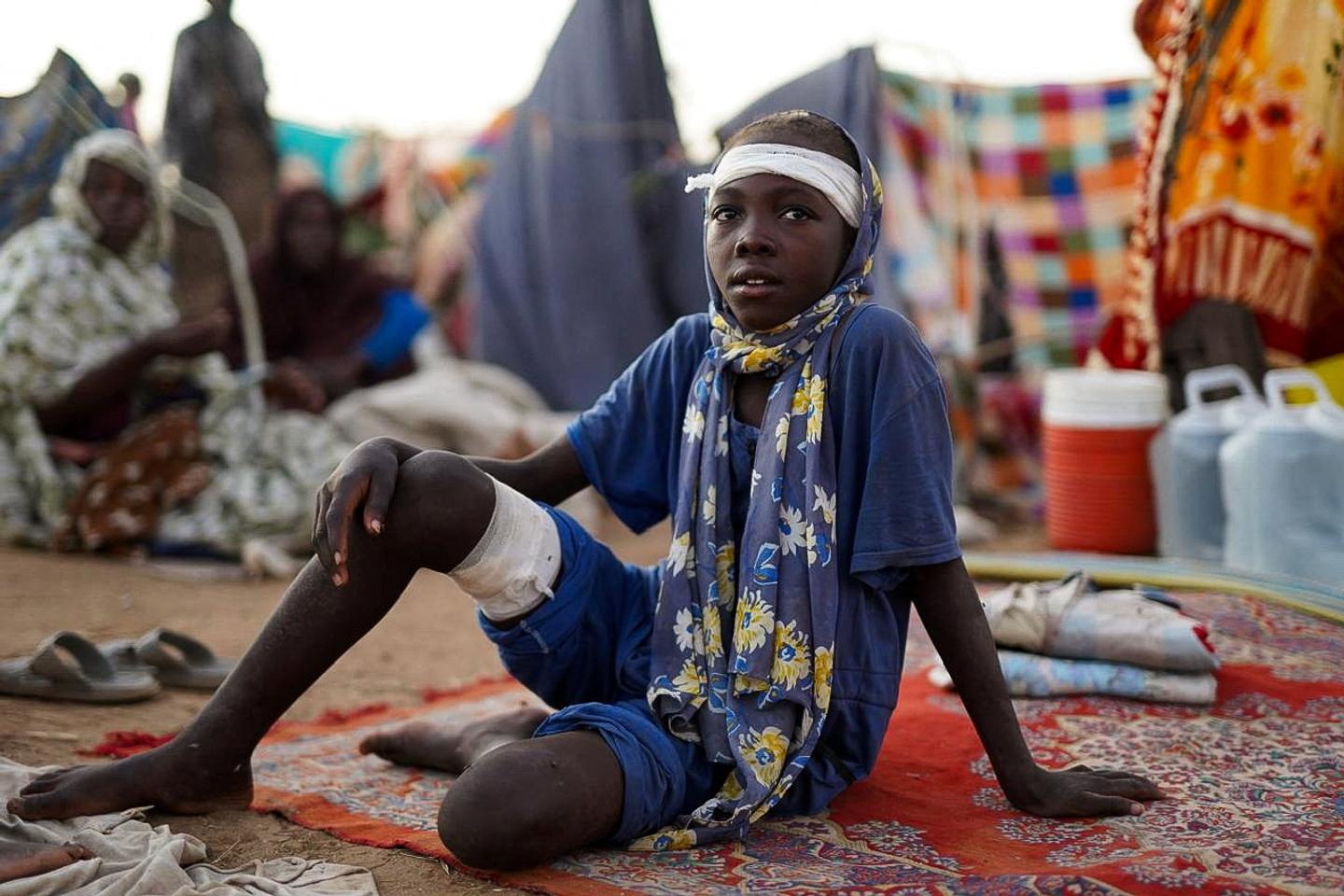
Reports and satellite images from the Sudanese city of el-Fasher point to widespread killings, looting, and destruction that human rights groups say resemble the atrocities of the early 2000s Darfur genocide.
The Rapid Support Forces (RSF), a paramilitary group that grew out of the Janjaweed militias responsible for past massacres in Darfur, are accused of executing civilians, targeting specific ethnic groups, and displacing thousands after an 18-month siege of the city. Survivors who escaped to nearby towns such as Tawila described men being separated from their families and shot, houses burned, and bodies left on the streets.
Satellite images analysed by Yale University’s Humanitarian Research Lab appear to confirm these accounts. The images show clusters of bodies and dark patches on the ground that researchers believe could be blood. The report describes what seems to be a deliberate effort to remove non-Arab communities from el-Fasher through violence and forced displacement.

RSF leader Gen. Mohamed Hamdan Dagalo, known as Hemedti, has admitted that some violations took place and said those responsible would be punished. However, previous promises of justice after similar incidents, such as the 2023 massacre in el-Geneina, did not lead to any arrests or trials.
Aid workers and rights groups say the pattern of attacks is familiar. Towns are surrounded, access to food and medicine is blocked, and then the population is attacked once resistance weakens. “They cut off supplies, then use arson, assault, and killings to take control,” said Kate Ferguson, co-founder of the organisation Protection Approaches.
Both the RSF and the Sudanese army have faced accusations of war crimes. Each side has targeted communities believed to support the other. In el-Fasher, many of the victims were from the Zaghawa ethnic group, which has supported army-aligned local militias.
The United Nations, African Union, European Union, and United Kingdom have all condemned the violence and called for accountability. Human rights activists argue that the international community ignored repeated warnings about the likelihood of large-scale killings.
Nathaniel Raymond of Yale’s Humanitarian Research Lab said that his team shared detailed alerts with the UN Security Council and Western governments months before the attacks. “The situation in el-Fasher was predictable,” he said. “It needs urgent action, not just public statements.”
Campaigners have also urged world powers to place pressure on the United Arab Emirates (UAE), which has been accused of supplying weapons to the RSF, though the UAE has denied any involvement.
For many in Sudan, el-Fasher represents a new chapter in a long history of violence in Darfur. The city’s suffering reminds the world of how old wounds can reopen when justice and protection fail to take hold.